

Why is Polyester Used for Soccer Jerseys? 5 Performance Benefits Explained
If you look at the inner neck tag of an authentic soccer jersey from Nike, Adidas, or Puma, you will almost always see "100% Polyester." To the average person, polyester might feel like "just plastic," but in the world of elite sports, it is a high-tech marvel.
Why don't pro players wear soft, natural cotton? The answer lies in the unique molecular structure of synthetic fibers. Here are the 5 major polyester soccer jersey benefits that make it the undisputed king of the pitch.
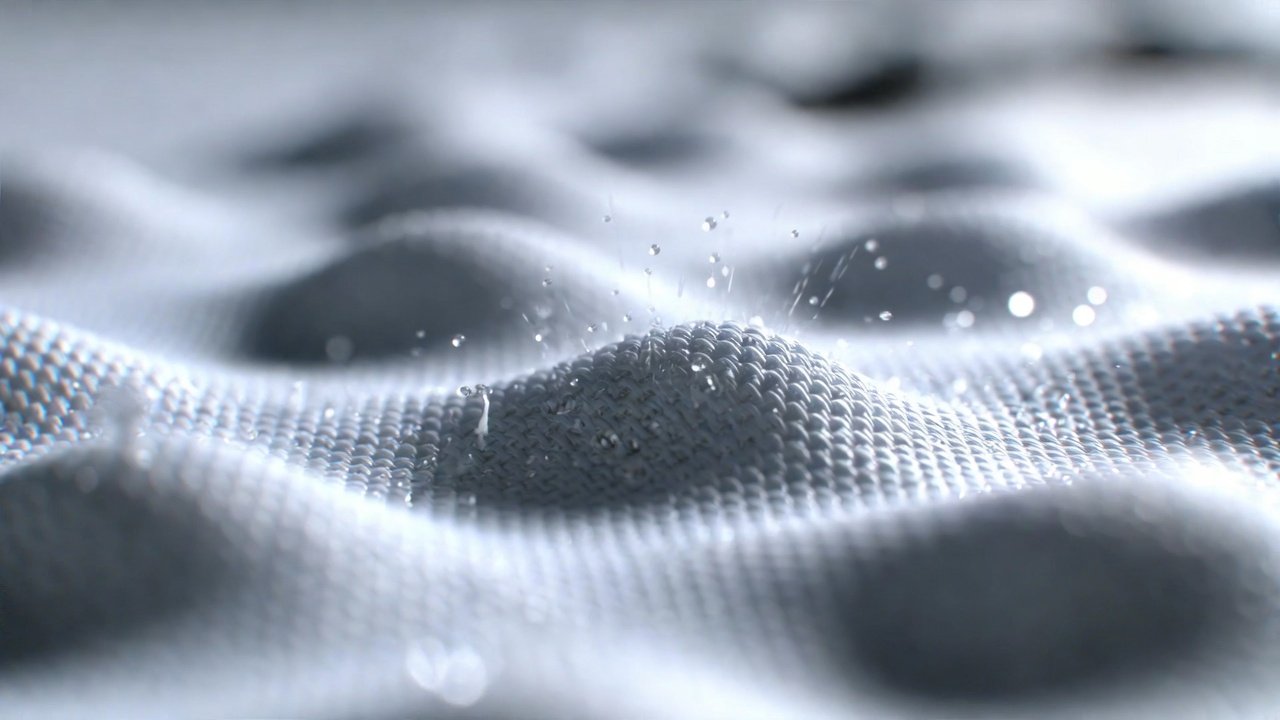
1. Superior Moisture-Wicking (The Science of Staying Dry)
The most critical soccer jersey technology is moisture management. Cotton is "hydrophilic," meaning it loves water. It can absorb up to 25 times its weight in sweat, becoming heavy, cold, and clingy.
Polyester, however, is "hydrophobic." It doesn't absorb sweat; instead, it uses capillary action to "wick" moisture through the fibers to the outer surface of the fabric, where it evaporates instantly. This is the foundation of technologies like:
Nike Dri-FITAdidas AeroReadyPuma dryCELL
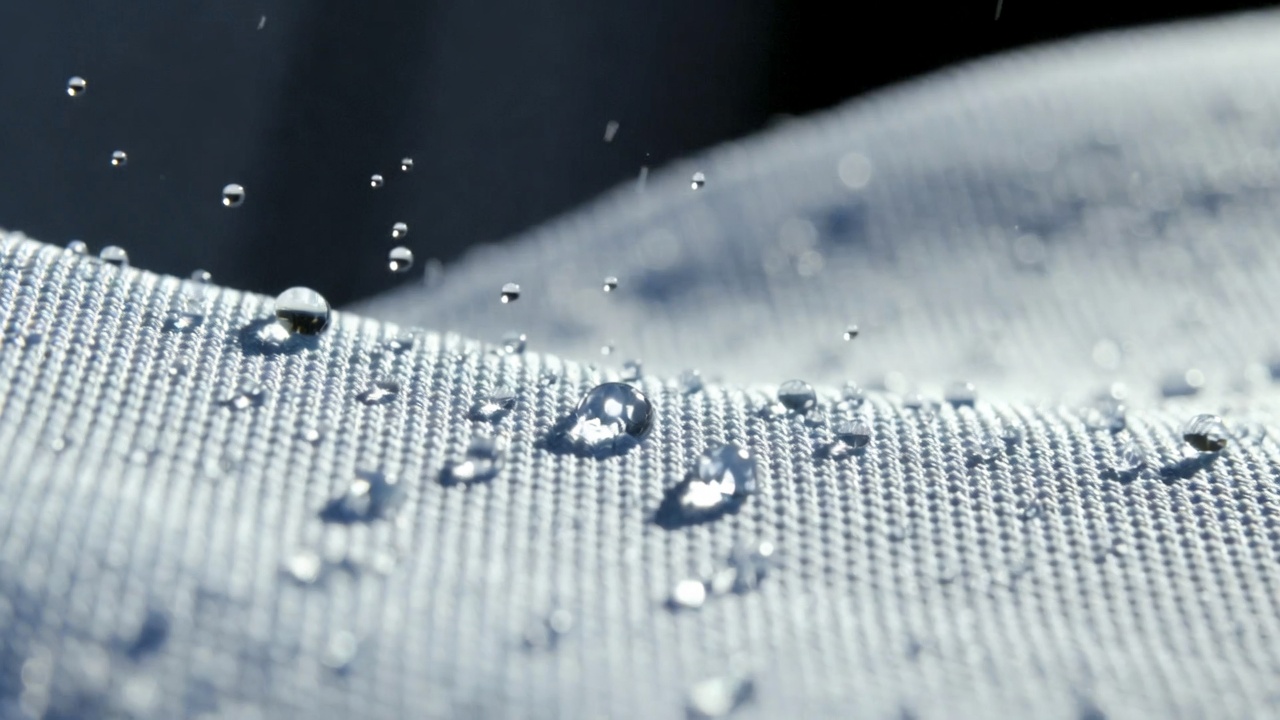
2. Unmatched Strength-to-Weight Ratio
Football is a high-contact sport. Jerseys are pulled, grabbed, and dragged across the grass. Soccer jersey fabric needs to be incredibly thin to allow for speed, yet strong enough to resist tearing.
Polyester fibers have high tensile strength. They can withstand the mechanical stress of a 90-minute match without losing their shape. This allows manufacturers to create jerseys that weigh less than 150 grams but are virtually "rip-stop."
3. Shape Retention and Elasticity
Natural fibers tend to stretch and sag over time (the dreaded "bacon collar"). Polyester is a thermoplastic fiber, meaning it can be "set" into a shape that it remembers.
No Sagging: Even after 100 washes, a polyester soccer jersey will retain its original fit.Compression Support: In player-issue kits, polyester is often blended with a small percentage of elastane to provide a "second-skin" fit that supports muscles during explosive movements.
4. Perfect for Dye-Sublimation (Vibrant Colors)
Have you ever wondered why classic football kits from the 90s still have such vibrant colors? Polyester is the perfect canvas for dye-sublimation printing.In this process, heat turns the ink into a gas that bonds directly with the polyester molecules. The result?
Colors that never fade in the sun.Patterns that won't crack or peel like traditional screen printing.A smooth finish that doesn't add weight to the jersey.
5. Resistance to the Elements
Soccer is played in rain, mud, and intense sun. Polyester is naturally resistant to:
UV Rays: Protecting the player's skin and the kit’s color.Mildew and Mold: Crucial for gear that often ends up in a damp gym bag.Wrinkling: A polyester kit looks as crisp in the 90th minute as it did at kickoff.
Performance Comparison: Polyester vs. Cotton
| Feature | Polyester (Synthetic) | Cotton (Natural) |
| Moisture Absorption | Low (Wicks away) | High (Becomes heavy) |
| Drying Speed | Ultra-Fast | Very Slow |
| Durability | High (Abrasion resistant) | Moderate (Wears out) |
| Breathability | High (Engineered mesh) | Moderate |
| Weight when wet | Remains light | Becomes 2x heavier |
The Future: Recycled Polyester (rPET)
In 2025, soccer jersey technology is moving toward sustainability. Most top-tier kits are now made from recycled polyester (rPET)—melted down plastic bottles that are spun into high-performance yarn. This reduces carbon emissions by up to 30% without sacrificing a single drop of performance.
Conclusion: Why It Matters for You
Whether you are a Sunday League player or a hardcore collector, the polyester soccer jersey benefits ensure your gear performs as well as it looks. It keeps you cool, stays light, and lasts for years in your collection.
[Looking for the latest high-tech kits? Explore our 100% Performance Polyester collection at Uitems]